
3 Spy Methods to Come Up with Million Dollar SaaS Ideas

You want to launch a million-dollar software company but don’t know where to start. I’m here to help.
I’ve made over $3 million with my two SaaS products, SocialInsight and Opesta. And since 2011, I’ve also helped over 80 clients achieve similar success. My team and I have shipped more than 200 profitable apps for them.
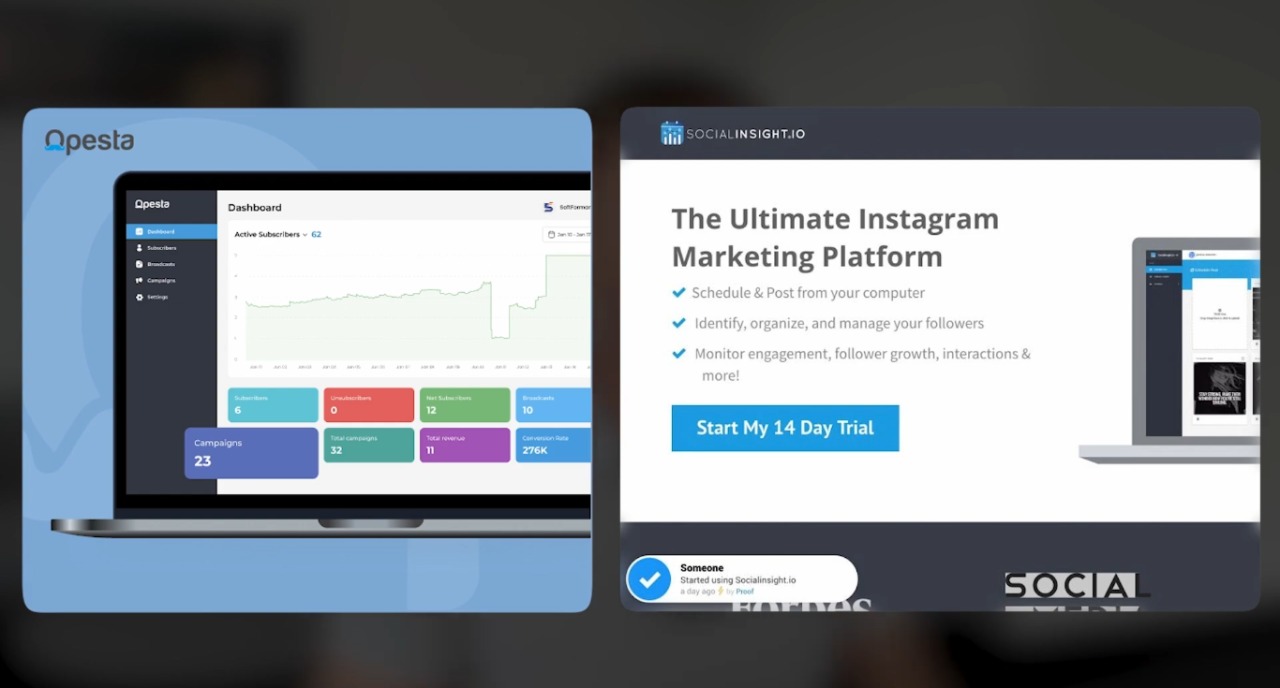
But before all that success, I went through 8 failed tech startups. And each one came down to a single mistake: coming up with the wrong software idea.
If you pick the wrong idea, nothing else matters. Not your product, your marketing skills, your efforts, or even your development team. That’s why, after mentoring hundreds of business owners and aspiring entrepreneurs, I developed 3 unique methods to generate and validate software ideas.
I’ve tested these methods on my own products and with over 40 of my clients by now — and they’ve worked every single time. I’m confident that if you follow one of these 3 methods, you can succeed too. Even if you have no prior experience, no technical skills, or a huge budget, one of these methods will still work for you.
And the best part? You’ll be able to generate profitable software ideas on autopilot after spending just about 5 minutes with me in this article.
So let’s get started.
Method 1: CopyCat
My first method for generating profitable software ideas is what I call CopyCat.
This method works for anyone—whether you’ve never run a business, never launched software, have no programming skills, or aren’t technical at all. It’ll still work for you.
Let’s be real — many of my clients were complete beginners, yet they still managed to launch successful SaaS products using this method.
So, how does it work? The secret is to find an app that is already working but is not perfect.
Here’s how:
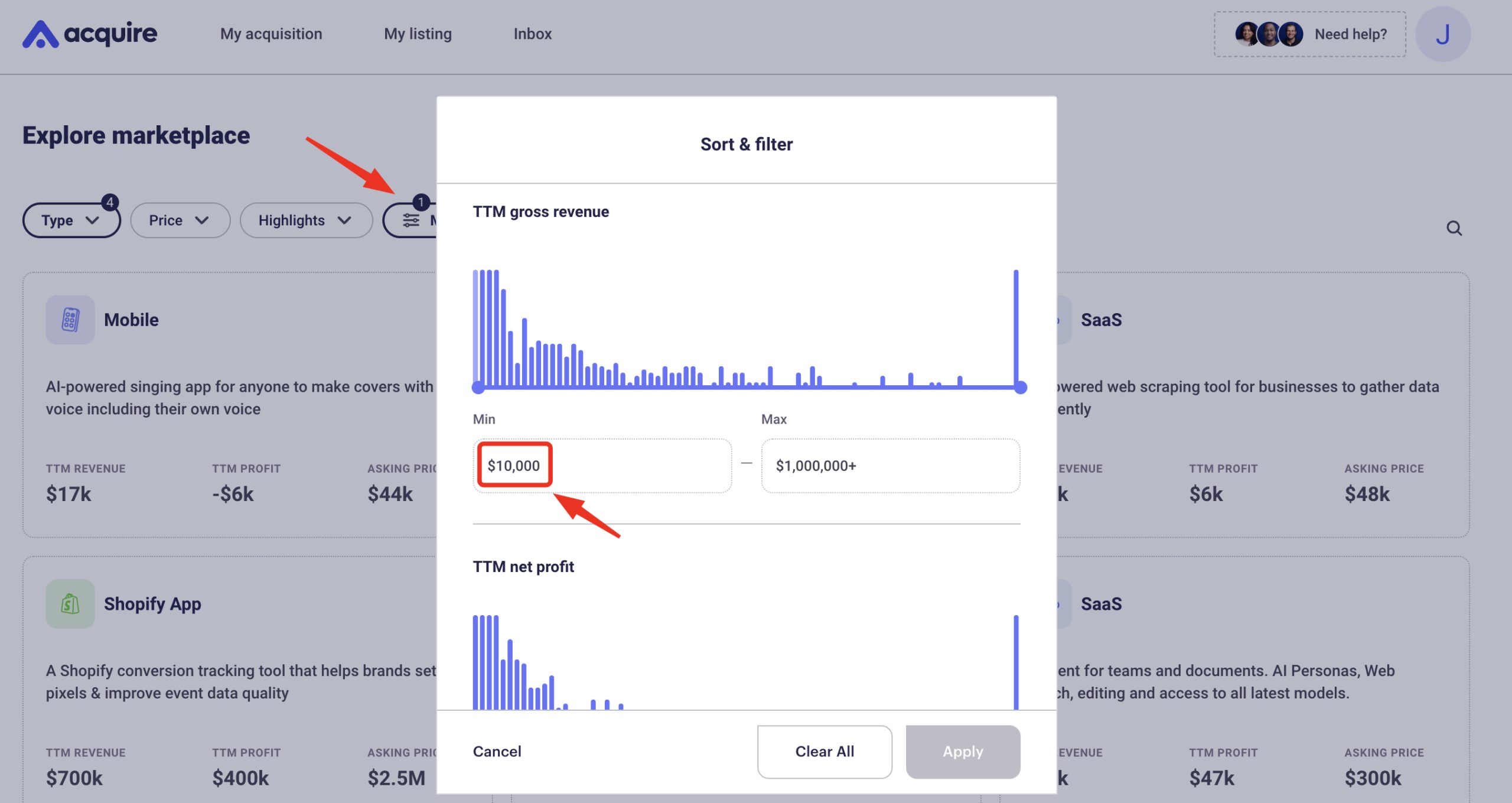
1. Head over to platforms like acquire.com or producthunt.com and look for apps making $10k MRR or more.
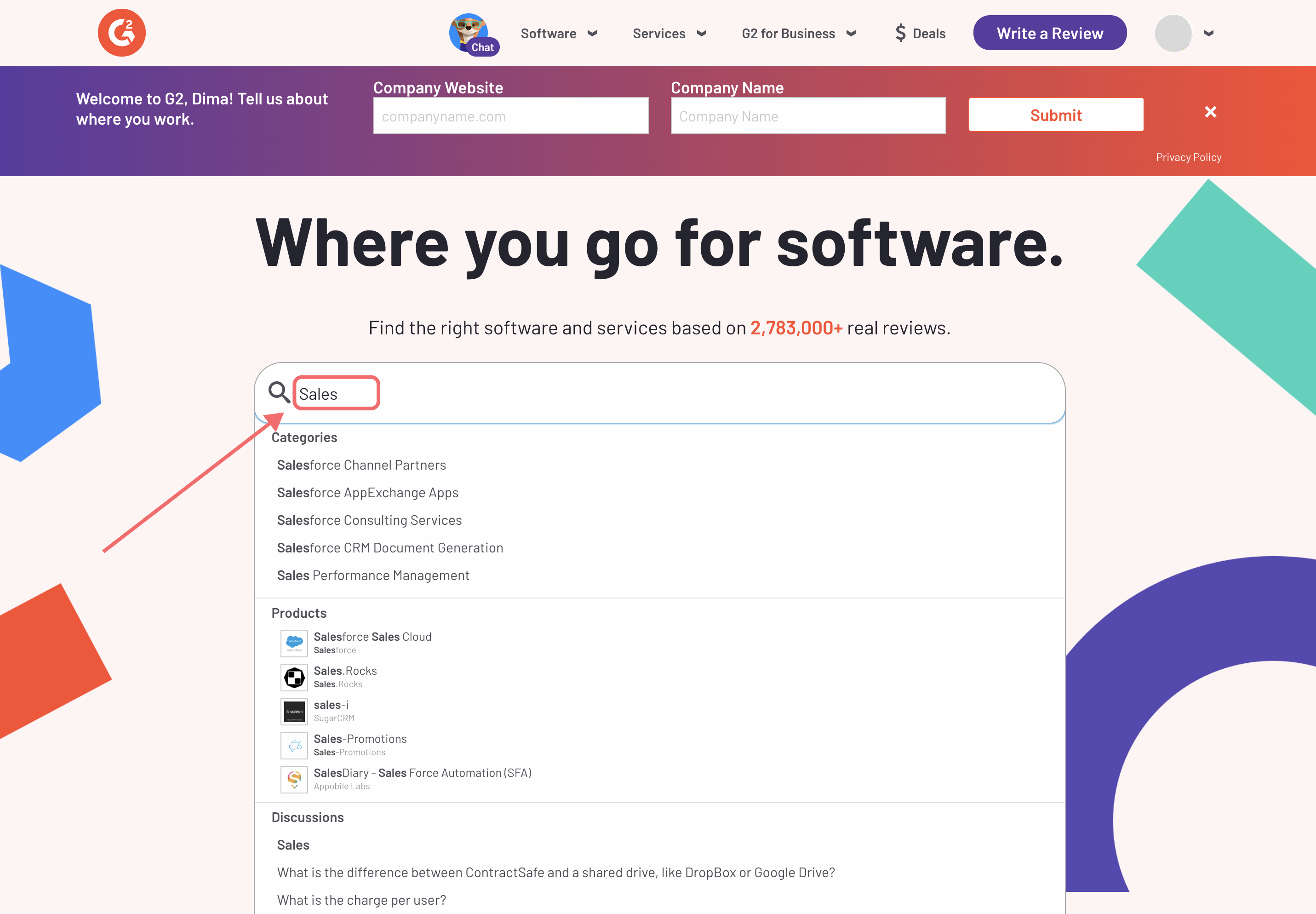
2. Then, go to g2.com and check user reviews for that app. What common complaints do users have? What features are missing?
3. Now, Your task is to build a similar app but fix those gaps and clean up all those complaints.
By improving on an existing product, you can create something even more valuable and attract customers who are looking for a better solution.
A few tips here:
First: Choose software in the B2B niche. It’s always easier to sell to businesses than to consumers — it’s more about numbers than psychology.
Second: If you have no experience or audience in a specific niche, always pick software ideas that help businesses increase revenue or profit margins. For example, it’s much easier to sell a lead generation tool than a project management app.
Third: Start by lowering your prices to make it a no-brainer for users of your competitors to switch to your app.
I’ve used this CopyCat method multiple times, and it worked every single time. I’m confident it’ll work for you too.
Method 2: PainKiller
My second and favorite method for generating profitable software ideas is what I call PainKiller.
This method has the highest success rate out of all three, but it also comes with some prerequisites. In other words, the entry level here is a bit higher.
For this to work, you already need some experience in a particular industry or niche, and ideally, an existing audience or, even better, clients.
So how does it work?
You know it’s easier to sell a $100 product to an existing customer than a $1 product to a stranger. So the idea isn’t to find a completely new audience and try to sell something to them. Instead, you leverage the people already around you.
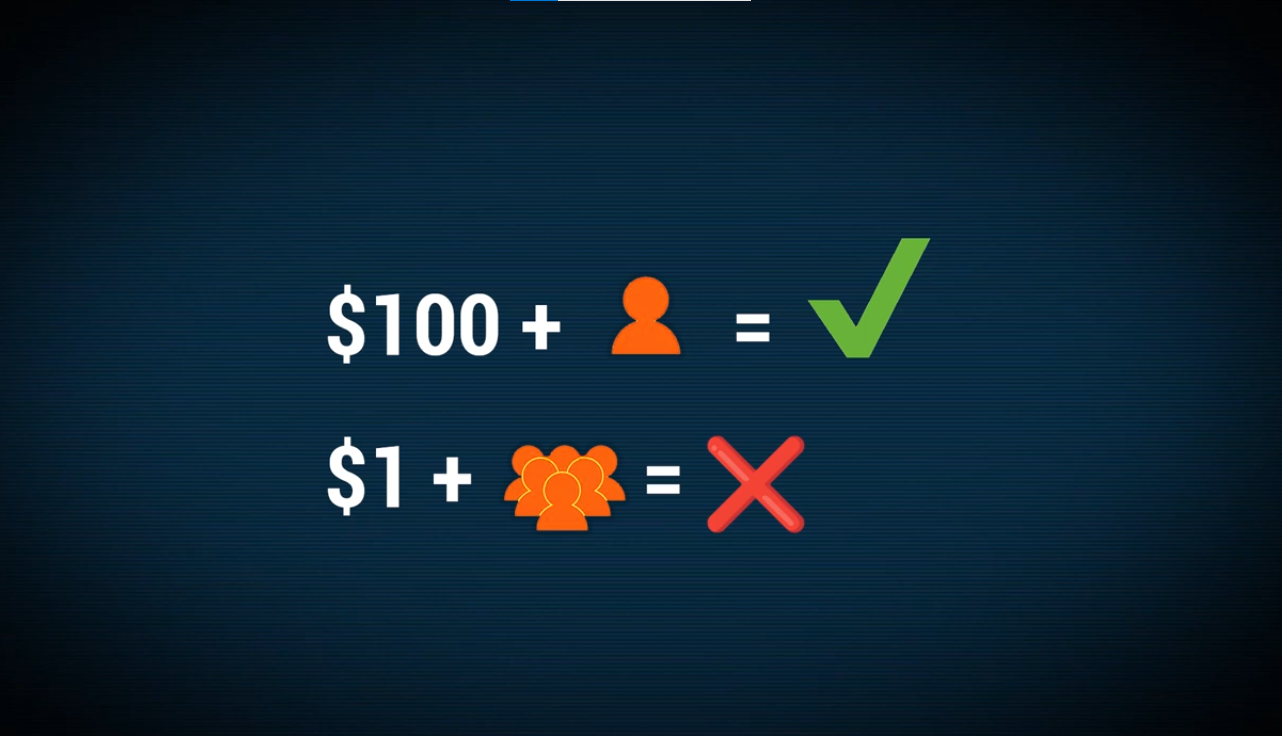
Start by talking to your existing audience or clients to find out what their pain points are.
Here are 5 questions I use to guide productive interviews:
- What are your current business challenges or inefficiencies?
- Are there any processes or tools that feel outdated or difficult to manage?
- How do you currently manage [specific task] (e.g., project tracking, customer support, data analytics)?
- Is there any part of your business you wish you had better visibility or data on?
- Do you see any areas where technology could help you grow or scale faster?
After talking to at least 20 people, you’ll gather a bunch of validated ideas that you’ll be able to sell to those same people right after you build your proof of concept.
With this method, you’ll always build software that solves a real problem for your audience — one they’re willing to pay for.
Method 3: The Robert Kiyosaki Method
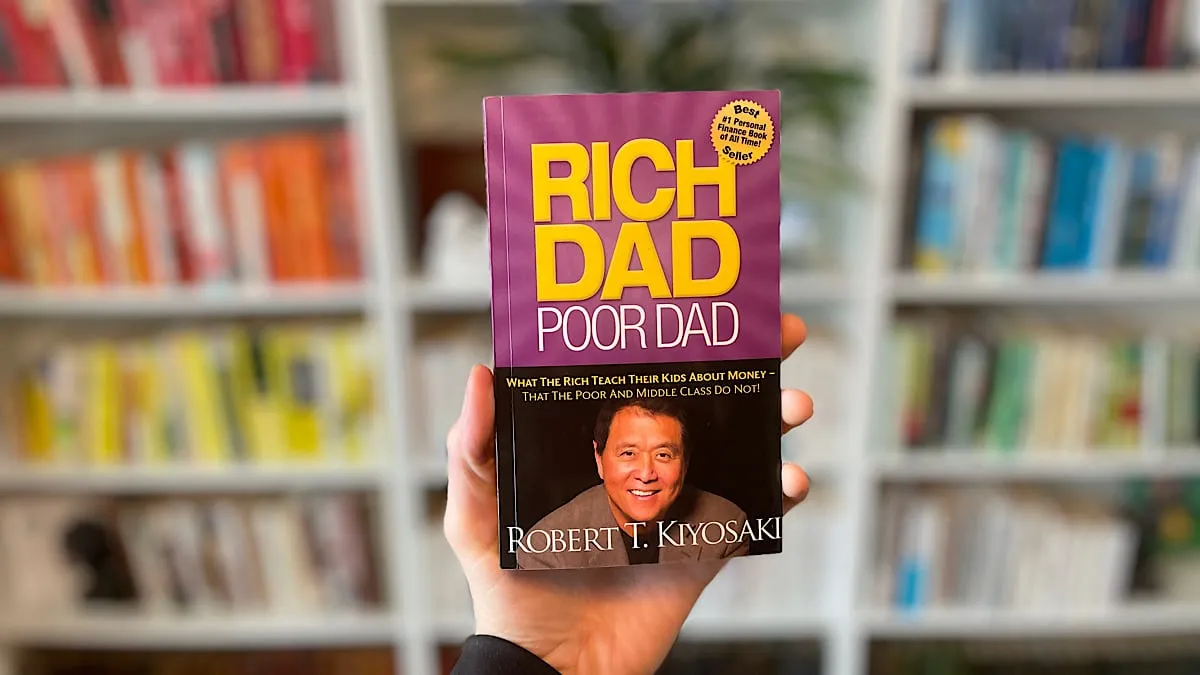
Have you read Robert Kiyosaki’s Rich Dad, Poor Dad? In it, he explains his strategy to quickly profit from real estate investments.
He typically takes a mortgage to pay off the property over many years but also needs a down payment. To cover that, he takes out a credit line from another bank. Essentially, he buys properties with zero money out of pocket.
I took this approach and applied it to tech startups and software companies. It’s already worked three times for my clients.
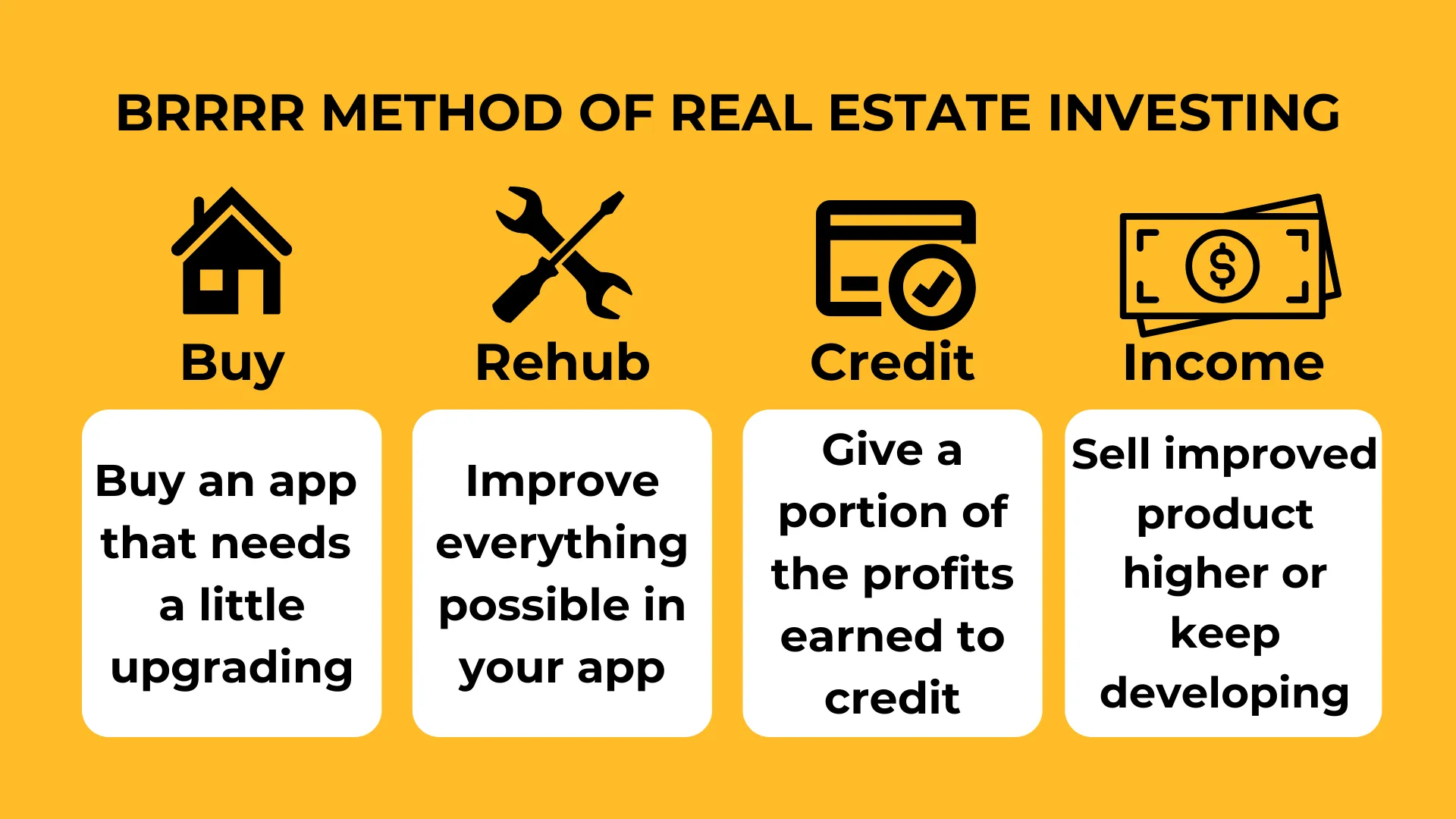
So, what do you do here?
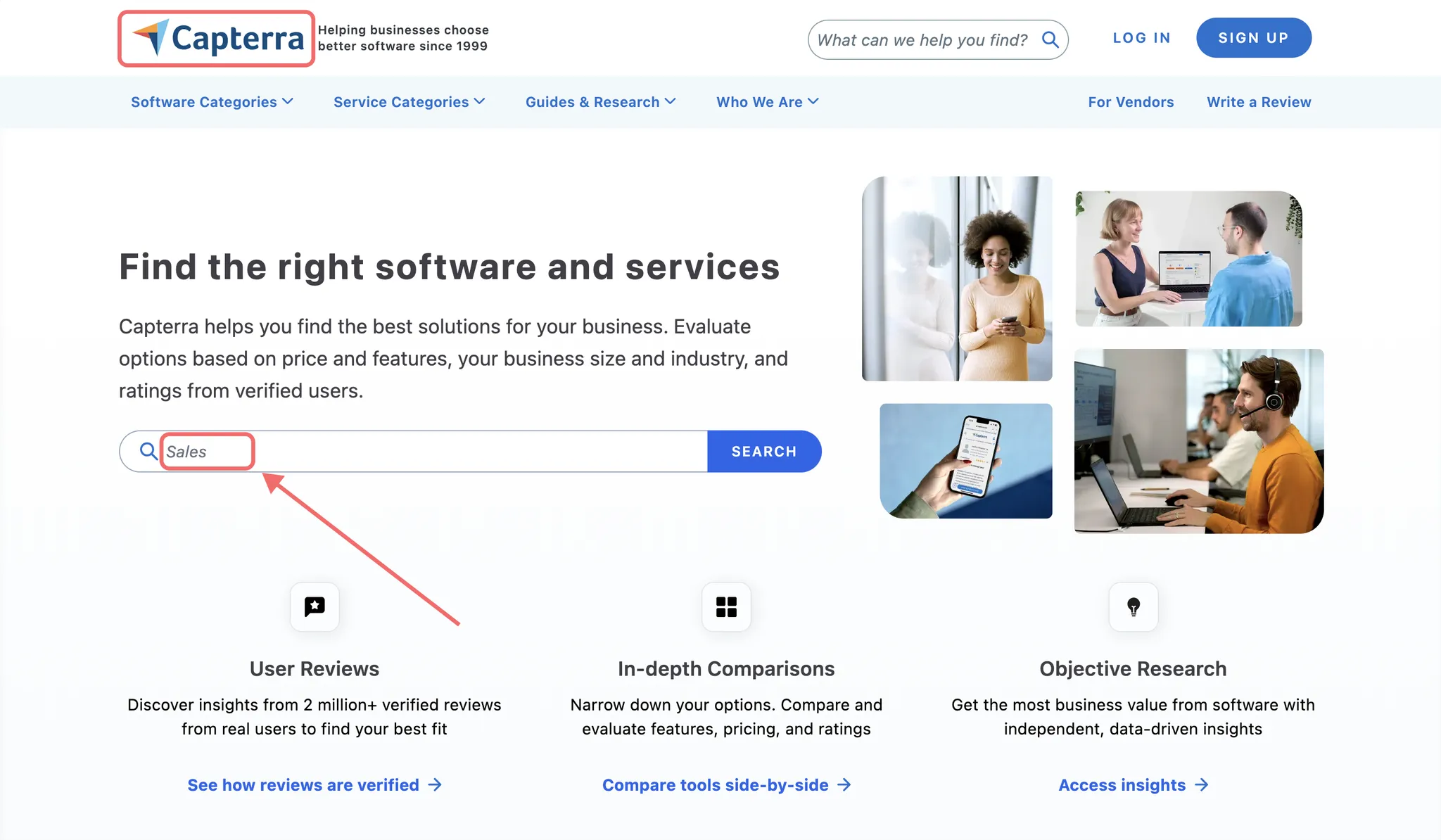
First, find 50–100 software products you like — ideally, ones already generating revenue. You can use sites like acquire.com, Capterra, ProductHunt, or tap into your network.
Then, start making offers, focusing on undervalued products where the owner doesn’t know how to scale.
In your offer, propose a buyout with a credit-like structure and zero down payment. Each month, you’ll make payments from the revenue the product is already generating.
This way, you don’t need any budget upfront — the product pays for itself as you take it over. I know it sounds unbelievable, but in three separate cases with clients, we closed deals within 100 offers — without spending a dollar upfront.
Right now, I’m helping my client Wanda find a software business with at least $10K MRR. Once the deal is finalized, I’ll show you how it all works.
This method allows you to take over a functioning product, improve it, and turn it into a more profitable business — all while minimizing your upfront costs.
Now that you know my three methods for coming up with a million-dollar software idea, it’s time to take action.
If you’d like my personal assistance in choosing the perfect SaaS product for your unique situation, you can book a free 20-minute consultation with my team using the link in the video description below.
Also, I’m curious — which of these methods resonates with you the most: CopyCat, PainKiller, or the Robert Kiyosaki method?