
Why software engineers suck at startups or how I failed 8 times at SaaS products?

I’m a software engineer who’s built and failed 8 SaaS startups. Yep, 8! But if you’re a developer looking to launch your own profitable software and actually succeed on your first try, this article is a must-read before you start on that new idea.
Let’s be honest, most of us developers dream about quitting the 9-5 grind, building our own products, making more money, creating passive income, and enjoying the process. Sounds perfect, right? But what really happens when you stop client work and jump into launching your own tech startup?
In this article, I’ll share the raw truth behind my 8 failed attempts and the exact things I did differently for my last two startups that brought in over 3 million dollars in revenue.
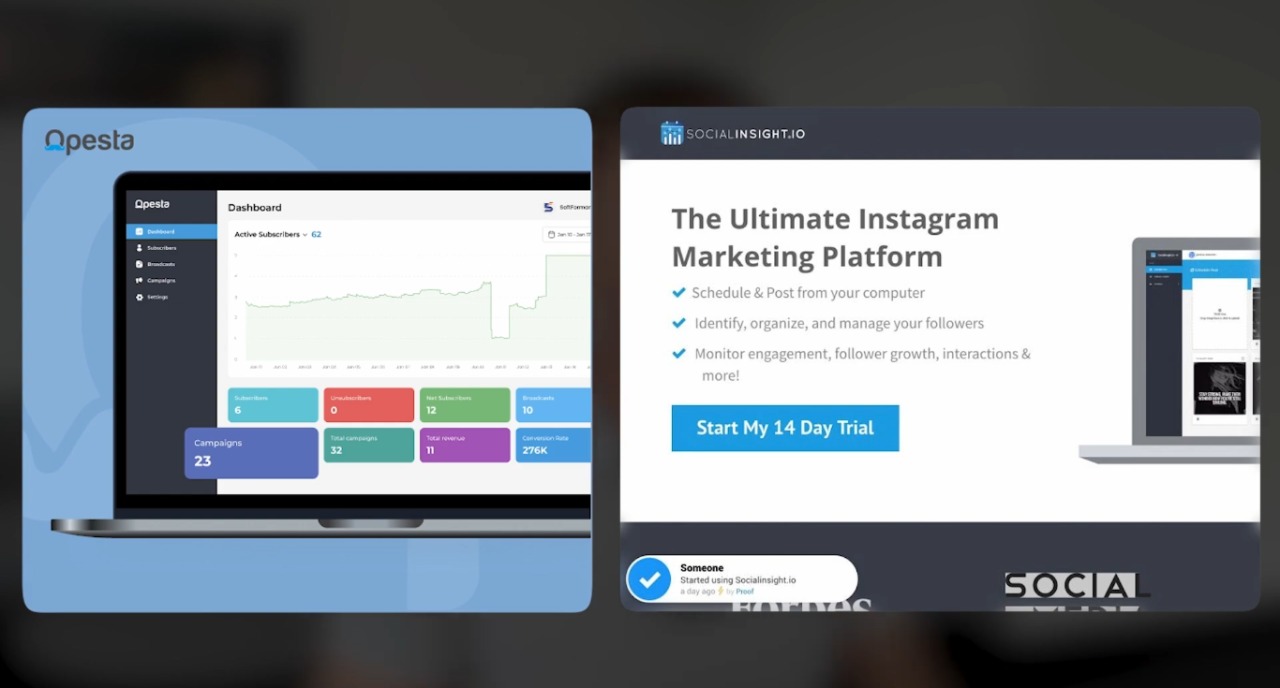
We’re talking about the 3 biggest mistakes every software engineer makes when starting their own product – and, of course, how to avoid them.
Let’s dive in!
Mistake 1. Build Random Staff
When I started my first tech startup, I spent about three months burning the midnight oil. After my day job as a junior Python engineer, I’d come home and spend 4-6 hours coding every night until 2 or 3 AM.
I was building a hotel channel manager — a software for people to manage their listings across multiple platforms like Airbnb, Hotels.com, and similar. When the full product was finally ready, I showed it to a friend who was into short-term rentals. To my surprise, he was pretty excited about it and even started using it right away.
But when we shared it with his network, reality hit. Most of my potential customers weren’t even using computers – they relied on pen, paper, and local magazines to find clients. Many of them didn’t even know about Airbnb or similar platforms!
That’s when I realized I made a huge mistake – I should have talked to my potential customers first, before writing a single line of code.
Now, after helping over 200 clients launch their software and building two successful products of my own, I’ve learned one thing: never build anything without validating the idea with real customers first.
Even though, as a former engineer, I still love building stuff – it’s tempting, but validation always comes first.
Mistake 2. Don’t learn marketing and sales
This is one of the biggest mistakes all software engineers are making when they start their own tech startups and SaaS products.
You often hear:
I used to believe that nonsense too, back when I was coding all day and didn’t know much about running a business. But let’s be real – if you want to make money, you’re not just building a cool project. You’re building a software company, not just a SaaS product or a tech startup.
And as a founder, especially if you’re solo, sales and marketing fall on you. It’s not just about building the product (which, let’s be honest, is the fun part). You also have to sell it, handle customer support, manage maintenance, hire people down the road, take care of finances – the list goes on.
But at the core of it all, the most important thing as a founder is to make money from your product.
I failed my first five startups because I didn’t have sales and marketing skills. That’s when I decided to start small.
Before launching my next big SaaS product, I began by building an audience. I blogged, taught programming, wrote a book, mentored, created courses — all of it.
Then, when I built my software, I had an audience of 12,000 email subscribers, 20,000 blog visitors every single month, and 2,000 students to sell it to. Selling software is way easier when you have an audience.
Mistake 3. Features Equal Success
The bigger my software, the easier it is to sell… But is that really true?
Another big mistake I made as a solo software founder with a technical background – and something many of us do – is getting caught up in building. I loved adding many features to my software, thinking it would improve the product.
But guess what? It never worked.
One of our clients, Kidiboard, made the same mistake. They launched a social network for parents that also had a marketplace. But with so many features, they struggled to clearly convey their unique value.
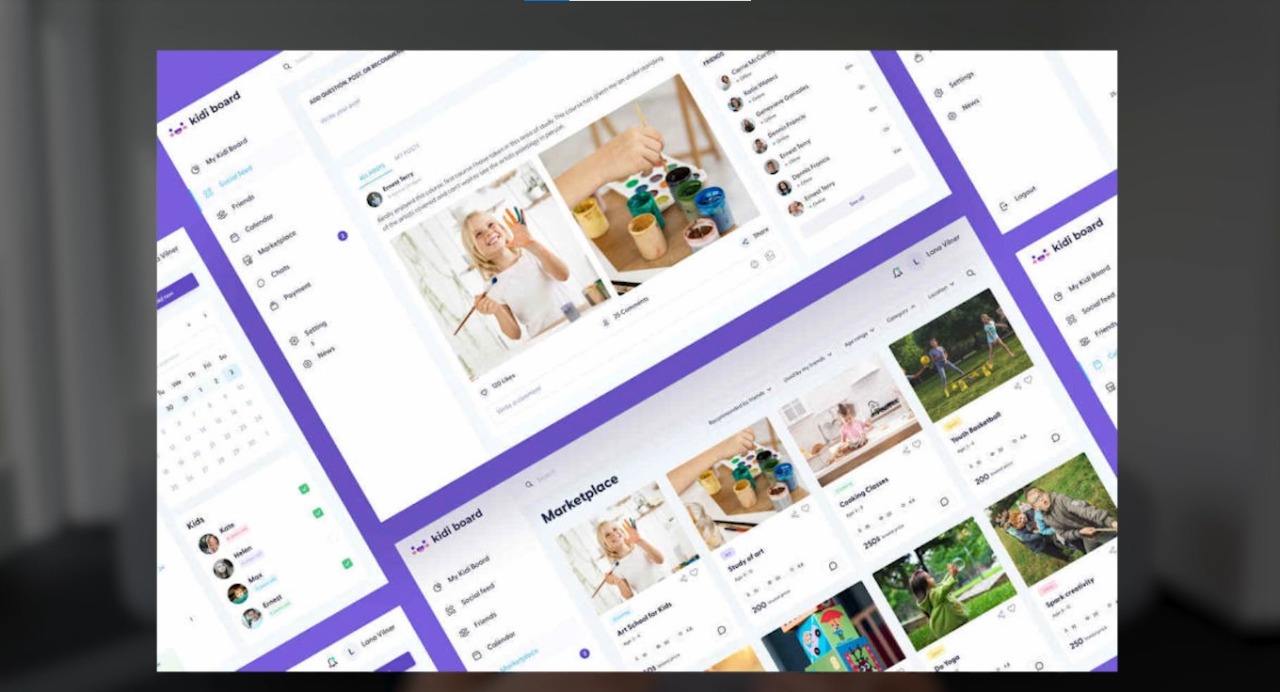
Only when they narrowed their focus to a SaaS CRM for service providers did they start getting hundreds of clients.
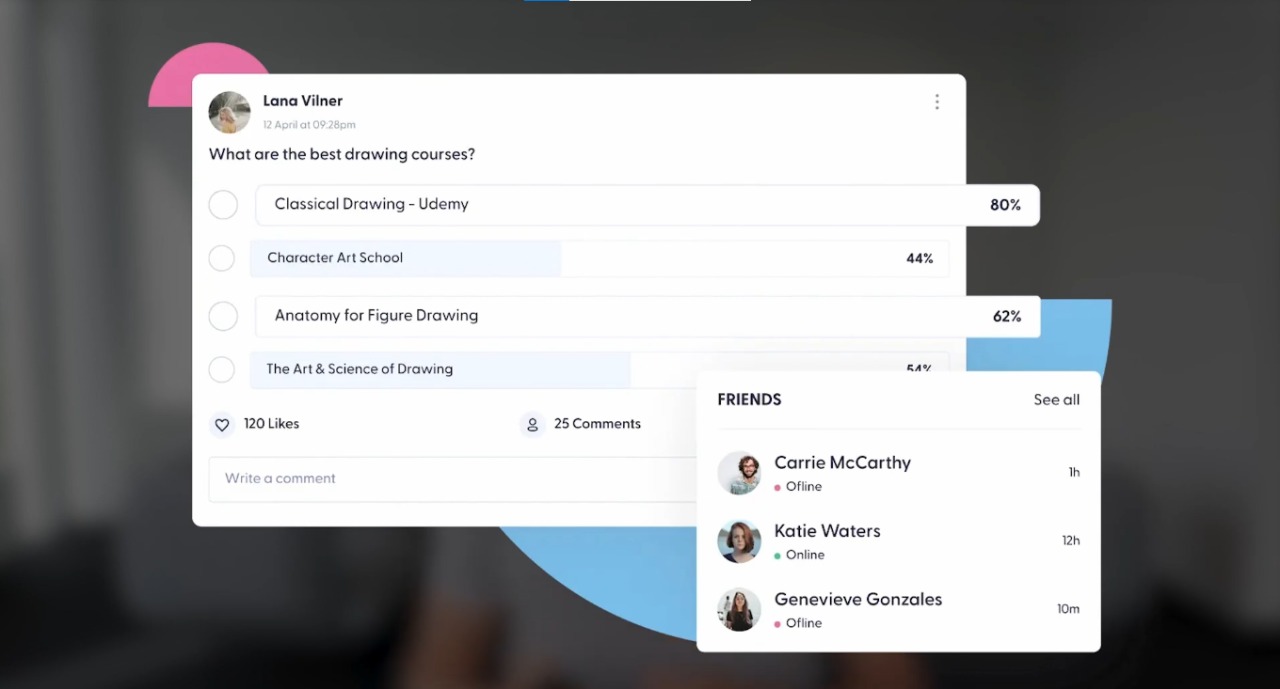
More features don’t equal a better product.
So, how do you avoid this? Start with a solid product strategy before building anything. Talk to your potential users, figure out the one specific problem they need solved, and focus on solving that with the simplest solution possible.
Doing this will save you tons of time and money — and help you avoid stuffing your app with unnecessary features.
So what to do instead?
If you’re ready for mentorship and want help launching a profitable software business, click the link and let’s talk. I’ve been helping developers like you turn their struggles into success for years!