
6 Tips on How to Succeed with a Tech Startup from Musk, Zuckerberg, Thiel, Altman, Seibel & Rusenko

- Advice №1. Emphasize Innovation within Your Startup
- Advice №2. Build a Strong Team and Company Culture
- Advice №3. Differentiate Your SaaS with Bold, Contrarian Thinking
- Advice №4. Prioritize Growth and User Feedback in Your Tech Startup
- Advice №5. Build What People Want
- Advice №6: Find Product-Market Fit ASAP
Launching a tech startup and turning it into a profit machine is hard. That’s why it never hurts to get extra tips and advice on how to succeed with SaaS products. Especially when this advice comes from top tech founders like Elon Musk, Mark Zuckerberg, Peter Thiel, Sam Altman, Michael Seibel, and David Rusenko.

After listening to hundreds of podcasts and interviews with these people, I distilled the 6 most important pieces of advice that, if followed properly, will improve your software game.
In this article, I’ll share these gold nuggets and give you my honest opinion on each based on my experience as a tech founder.
Advice №1. Emphasize Innovation within Your Startup
Elon Musk, the founder of SpaceX and Tesla, advises entrepreneurs to work on projects that will significantly innovate and impact the world. Musk is known for his relentless work ethic and ability to persist through setbacks. He suggests startup founders face difficulties and strive towards their goals, no matter how ambitious they seem.

Do I agree with that? Yes and no.
When we launched our first SaaS product with my partner Ethan, it was a small and simple social analytics platform. We spent only three months building it. Only after SocialInsight did we decide to build more innovative and challenging software: Opesta –FB Messenger marketing automation SaaS. It took us nine months to build an MVP and 150k in budget.
So, for first-time tech founders, I’d recommend starting small and growing your innovation step by step after smaller wins. Otherwise, innovations can break your startup career early.
Advice №2. Build a Strong Team and Company Culture
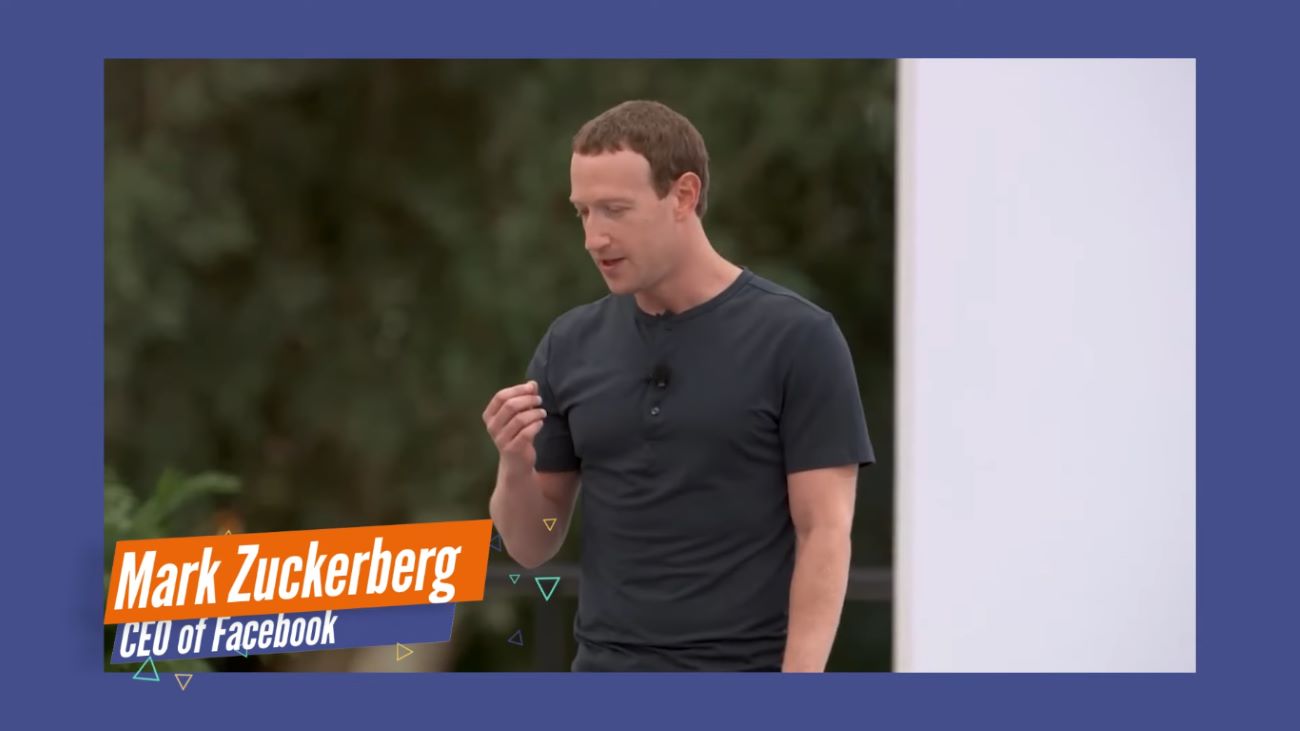
Mark Zuckerberg, the CEO of Facebook, believes that a company’s success largely depends on its ability to attract and retain talented individuals who are passionate about the company’s mission.
What do I think about this? If you’re starting big with VC money, that’s all true, and you need to start working on onboarding great talents from day one. But if you bootstrap, in most cases, that will be just you and maybe your partner doing all the hard work at the beginning.
However, as soon as your startup hires its first employee, it’s time to listen to Zuckerberg’s advice and dedicate time and effort to building a proper company culture and team. I ignored this advice for many years and paid a high price for it. So, please, take it seriously.
Advice №3. Differentiate Your SaaS with Bold, Contrarian Thinking
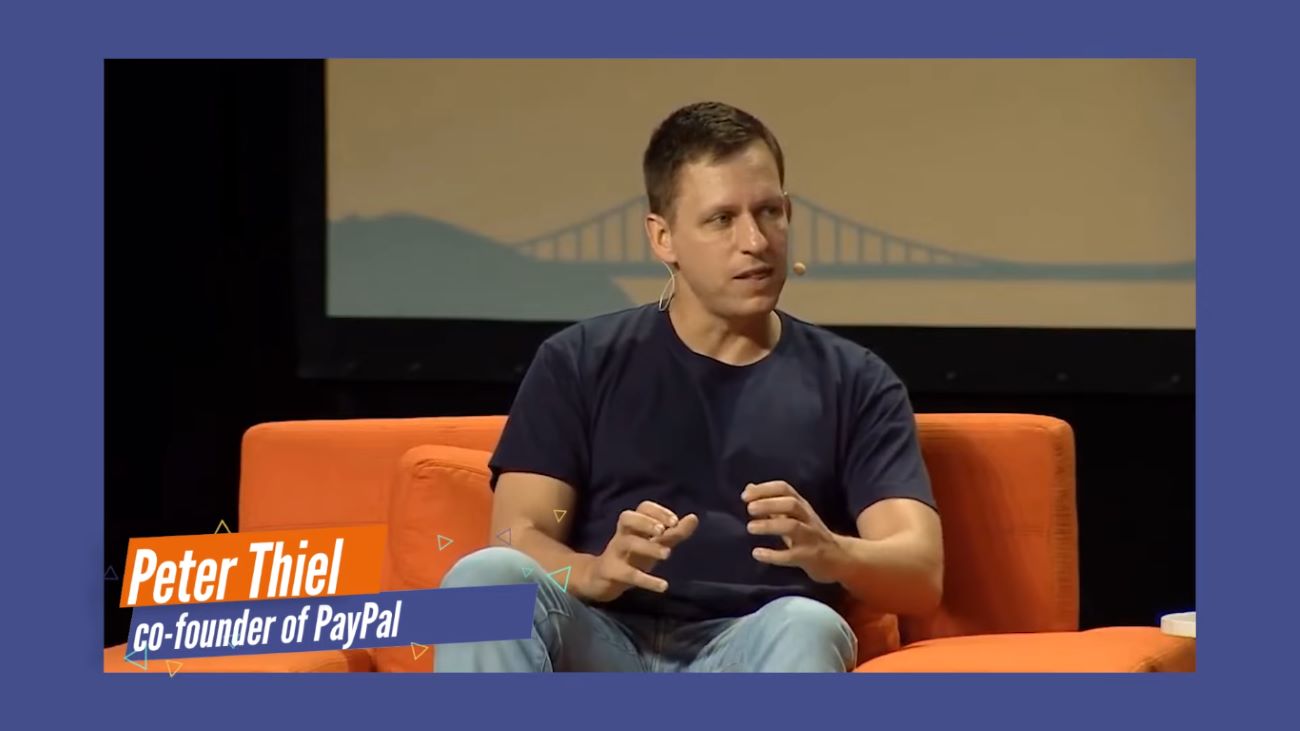
Peter Thiel, co-founder of PayPal, advises tech entrepreneurs to seek out contrarian truths – ideas that are true but generally disagreed upon or overlooked by the public.
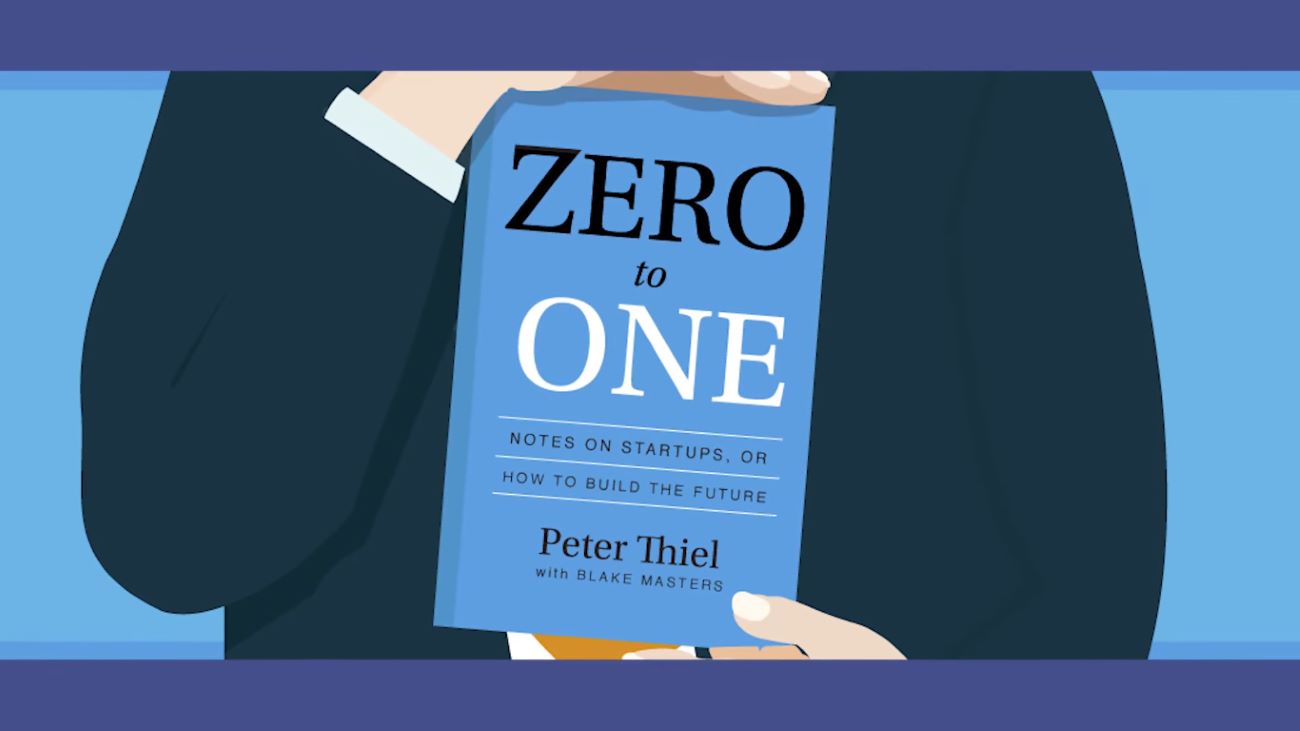
Thiel’s book “Zero to One” emphasizes the value of creating something new and going from zero to one rather than incrementally building from one to Something. He encourages founders to aim for monopoly status by innovating in ways that no one else is.
I think that’s great advice, but it is hugely underrated. You can not simply build a clone of Uber, Tinder, or Zoom and hope it’ll just work.
You need to develop the skill of looking at things from a different perspective than most others do. For example, when we launched our Messenger Chatbot SaaS, we knew there was ManyChat – our №1 competitor. So, we repurposed our product to work only with Shopify website owners. And it worked great for us.
Advice №4. Prioritize Growth and User Feedback in Your Tech Startup
Sam Altman, CEO of OpenAI, advises startups to focus intensely on growth metrics and user engagement, iterating the product based on user feedback.
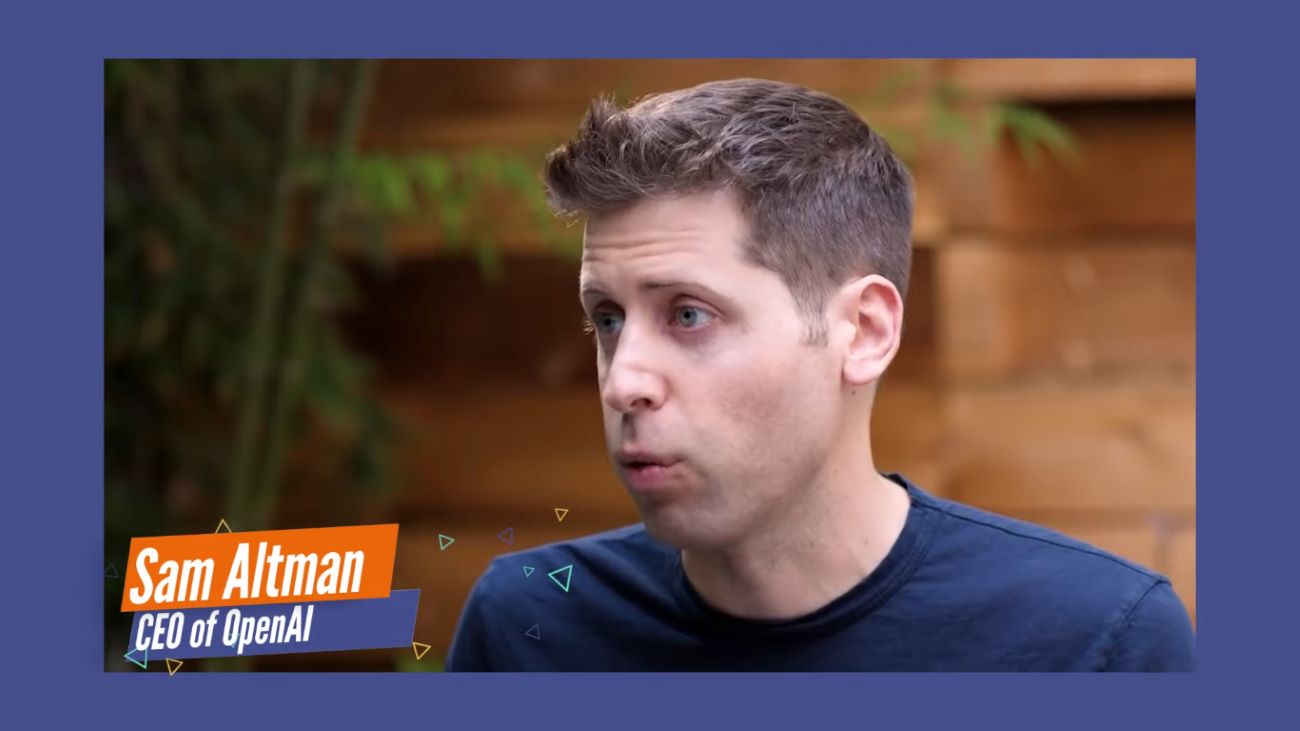
Altman suggests that the best founders are obsessive about understanding their users and improving the product to meet their needs better.
I don’t have much to add apart from agreeing with this advice 100%. It’s especially important within the first 1-2 years after you launch your software. Also, you must be open to Pivoting your product multiple times if it doesn’t work.
For example, our agency client Mark, with his startup Ziscuit, has pivoted five times over the last three years. Now, he is finally onboarding corporate clients to the software we built for him.
Advice №5. Build What People Want
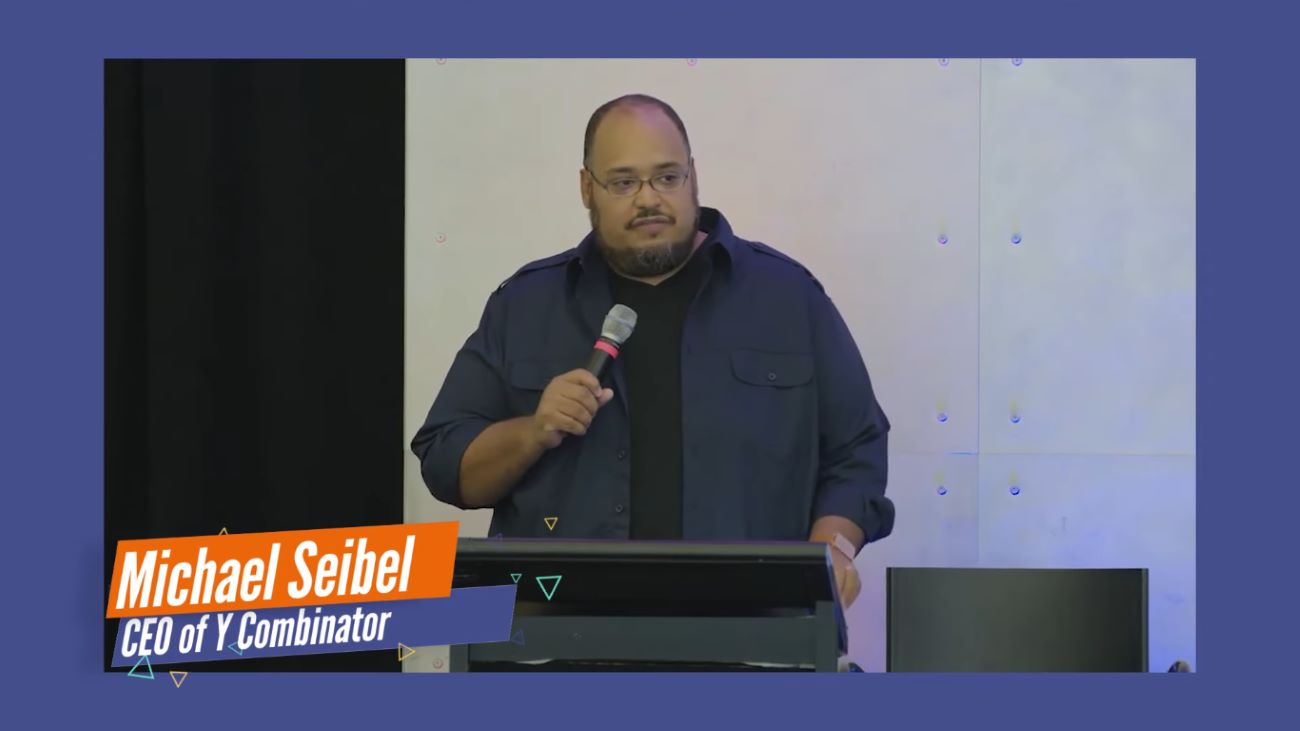
Michael Seibel, CEO of Y Combinator, advises startups to validate their ideas by talking directly to their potential customers and to focus on solving a critical problem for a specific group of people.
I’d add here that it’s much easier to find an audience, identify their pain points, and then build a SaaS to solve these pain points. That’s exactly how we launched our Opesta product.
Advice №6: Find Product-Market Fit ASAP
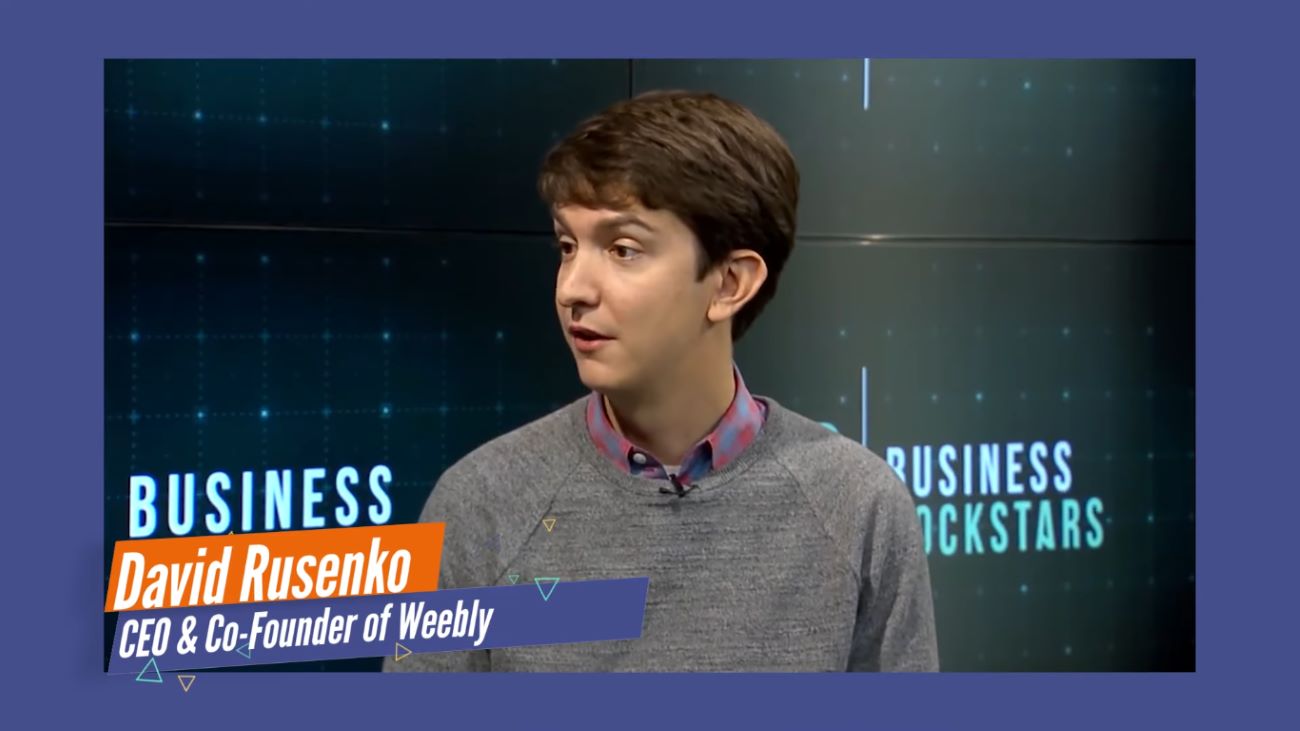
David Rusenko, a co-founder of Weebly, suggests that finding the right product-market fit should be the top priority for any startup, as it is crucial for long-term success.
There are a few important factors when we talk about Product-Market fit. First of all, there is no perfect product-market fit. It’s always a work in progress. But yes, the most important part is at the beginning when your product doesn’t click for your audience yet. The second thing is that some of our agency clients were able to find product-market fit within a few short months after the initial MVP release.
But for others, like Mark, I mentioned in this article, it took years for them to find it. There is no silver bullet. It’s like with relationships. It’s sometimes hard to understand when it’s a good time to stop pushing and start a new startup or when you’re 1 inch before hitting this magical sweat spot called Product-Market fit.
But when you find it, you’ll never confuse it with anything else. Everything within your startup, like sales, user onboarding, and retention rates, will improve dramatically 10-20 times, and you’ll get the so-called Flywheel within your business.
With it, you’ll work much less but get much more. So it is definitely worth trying.
If you’re interested in having my in-house developers build your SaaS product? Then follow the link and register for a free introductory call!